Helping Individuals and Families Move...Take a breath. Pause the conflict. Laziness and procrastination aren’t the issue. Big behaviors don’t need more consequences. And overwhelmed nervous systems cannot implement productivity.
From Calm to Capable
Personalized emotional regulation and executive function skill-building for students, with support for parents.
Your child's journey begins here, where it is safe to show up just as they are. 
Help is on the way!
Get Curious
·
Capture Calm
·
Build Capability
·
Get Curious · Capture Calm · Build Capability ·
I'm Rebecca.
On paper, I’m a certified English educator in Ohio, a certified Emotional Health Consultant, and hold a Master’s in Educational Leadership with a concentration in Literacy from the University of Cincinnati. I’ve had the privilege of working as an Intervention Aide at a wonderful Montessori school and currently serve as an adjunct instructor at the University of Cincinnati, where I teach Executive Functioning Skills in the TAP Program.

But the heart behind Calm to Capable wasn’t formed in a classroom or through a credential. It began at my kitchen table.

As a former homeschool mom, I know what it feels like to care deeply about your children and still miss what their big behaviours are trying to tell you. There were seasons when I placed more value on completed lessons than on the hurting hearts sitting across from me. Not because I didn't love my children, but because I didn't yet understand how nervous system overwhelm, unmet emotional needs, and protective responses were shaping our days. I hadn't learned how to meet those moments with curiosity and compassion instead of control.

For years, I carried shame over how I had shown up during some of those precious, formative seasons. But as I began experiencing the very tools I now share with others, something shifted. Shame began to loosen its grip. Conviction made room for growth, and compassion allowed me to look at my story, and myself, differently.

That journey changed not only how I understood myself, but how I understood education, parenting, and the developing brain.

Today, my work with children and families brings together educational experience, neuroscience, emotional health, and practical executive functioning skills. I am passionate about helping families recognize that a regulated nervous system and a connected heart create the conditions in which learning, growth and healthy relationships can flourish.

I believe structure and compassion belong together. That discipline doesn't have to come at the expense of tenderness. That we can nurture responsibility without sacrificing relationship, and build capability without losing connection.

My hope is to equip students and families with practical tools that make room for both emotional well-being and meaningful growth. To help create homes where systems serve relationships, where overwhelm is met with understanding, and where children are given the support they need to grow in both confidence and capability.

Because the goal isn't simply to raise children who can get things done.

It's to raise children who know how to navigate life without losing connection to themselves and the people they love.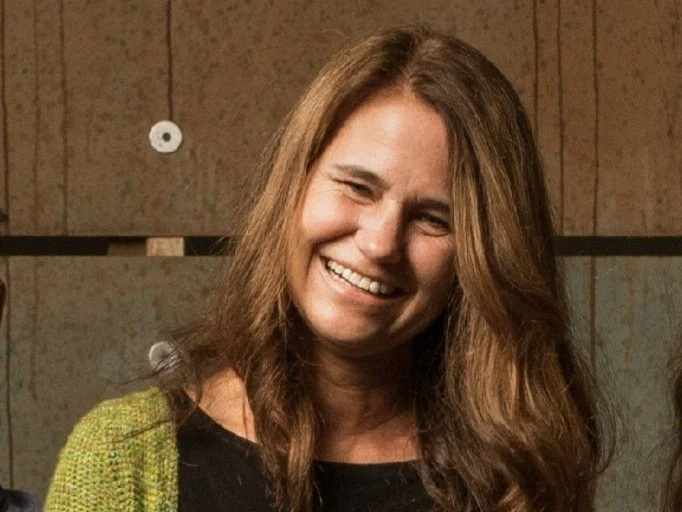
What does it look like for my child and our family to receive support from Rebecca?
We begin where your child is.
Sometimes the most pressing need is help organizing assignments, managing time, or getting started. Other times, significant anxiety, overwhelm, or distress presenting as adaptive or protective behaviors makes everyday demands feel difficult to manage. In those moments, we start with connection, compassion, and support for emotional regulation.
Calm to Capable is tailored to your child’s current needs. We make space to understand what they are experiencing, explore what helps them feel supported, and practice ways to navigate overwhelming moments. As they become more ready, we introduce practical executive function skills at a pace they can manage.
Parents receive guidance along the way so support at home nurtures both connection and growing independence.
Your child does not have to arrive calm or ready to focus on capability. We begin with the need that matters most today.
Calm to Capable provides educational coaching and emotional regulation support and can complement care from your child’s licensed mental health or medical providers.
EACH 45-MINUTE SESSION IS TAILORED TO YOUR CHILD AND CAN INCLUDE:
Check-in
Build Interoception (Nervous System Awareness)
Connect with Compassion (Emotional Regulation)
Practice New Skills (Emotional Regulation or Executive Function)
Create a realistic, repeatable plan
Reflect (Access Metacognition)
-
8-12 year old
Between ages 8 and 12, children are actively developing patterns of responding to emotions, relationships, and everyday challenges. We call this “the coding years.” Support during these formative years helps them understand their feelings, experience connection, and practice skills for emotional regulation as situations unfold-in real time. Parent alignment is central to this work, helping families build a shared language and reinforce these skills at home. Every session includes direct communication with parents.
-
13-17 year old
Between ages 13 and 17, the brain is still developing, and patterns of coping and self-protection are continuing to take shape. Individualized support during these years can help teens practice new ways of responding to challenges while building a deeper connection with themselves and others. In a season that can feel isolating and difficult to navigate, this support offers space to feel understood, strengthen emotional regulation, and grow in confidence. Parental involvement is important and treated with care, and we establish expectations for communication together.
-
18-24 year old
Whether navigating university life, entering the workforce, or exploring a vocation, young adults ages 18–24 face new responsibilities and pressures that can affect their emotional well-being and ability to manage daily life. Individualized support helps them strengthen emotional regulation, build executive function skills, and grow in independence while staying connected to themselves and others. Parental involvement is guided by the young adult’s preferences and consent.
How We Turn Calm Into Capable
-

Build Neuroception
We start with building awareness of the messages our nervous systems are sending.
-

Bring Curiosity, Access Compassion, Create Calm.
We replace self-judgement with curiosity, connect with what feels overwhleming, and apply the nervous system salve of compassion. A pure sense of calm begins to override the chaos.
-

Create New Neural Pathways.
Overwhelm that shows up as avoidance, procrastination, anxiety, or shutdown is a practiced response. Together we practice awareness and calm to create new, stronger neural pathways that can replace old responses. With repetition, these new neural pathways become very accessible, even preferred.
-

Build and Practice New Executive Function Skills.
It’s not magic. It’s science. First, we establish calm and then we build capability. We introduce and practice the skills of organization, planning, time estimation, reading a room, and knowing ourselves. It’s gym for the brain and the results are real.